

What Is the Role of Emergency Senior Respite Care in Hospital Discharge Planning?
Being discharged from the hospital is a critical transition point in a senior’s healthcare journey. While their medical treatment may conclude within the hospital setting, the recovery phase often extends long after a patient returns home or moves into a supportive care environment.
For many families, this phase can be challenging. This includes arranging immediate caregiving support, managing medications and follow-up appointments, and balancing care responsibilities with work and daily life.
Emergencies, unplanned hospitalizations, or sudden changes in health conditions can leave families unprepared. In such situations, healthcare professionals often need to quickly arrange suitable care that ensures the patient’s safety, ongoing support, and overall well-being.
This is where senior respite care plays a pivotal role, bridging the gap between hospital care and long-term recovery by offering temporary yet structured support during a vulnerable period.
Understanding Hospital Discharge Planning
Hospital discharge planning is a structured process that begins early during a patient’s hospital stay. Its primary objective is to facilitate a safe and effective transition from hospital to home or another care setting. According to healthcare standards, discharge planning includes assessing the patient’s medical condition, functional abilities, medication requirements, and support system.
For seniors, discharge planning becomes more complex due to factors such as:
- Multiple chronic conditions.
- Reduced mobility.
- Cognitive impairments like dementia.
- Medication management challenges.
In many cases, families are unable to provide the level of care required immediately. This is where senior respite care services offer a reliable and practical solution.
What Is Emergency Senior Respite Care?
Emergency senior respite care refers to short-notice, temporary care arrangements designed to support seniors who cannot safely return home immediately after hospitalization. Unlike planned respite stays, emergency care is arranged quickly, often within hours or days, to address urgent needs.
This type of care typically includes:
- 24-hour supervision.
- Assistance with daily living activities (bathing, dressing, mobility).
- Medication management.
- Nutritional support.
- Rehabilitation coordination.
The goal is not only to provide immediate care but also to stabilize the patient’s condition during the transition phase. With structured post-discharge support, including mobility assistance, proper medication management, and regular health monitoring, seniors are better positioned to recover safely. It also reduces the risk of common setbacks, such as falls, infections, or missed medications.
Why Emergency Respite Care Is Critical After Hospitalization
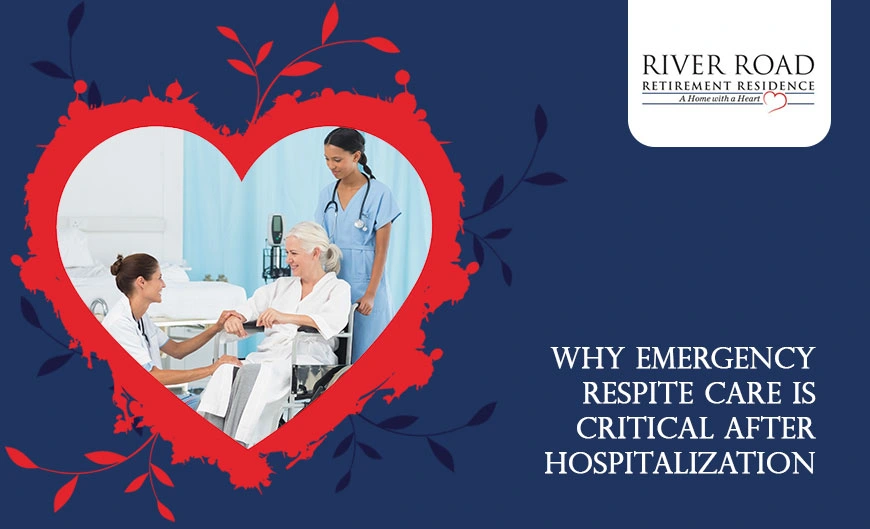
Hospital discharge does not always mean full recovery. In fact, the first few days following discharge are often the most vulnerable period for seniors. During this time, they may still be physically weak and at a higher risk of falls, or they may struggle to manage new medications and care routines without proper support.
Here are several critical needs that emergency respite care addresses during this time:
1. Reducing Hospital Readmissions
One of the primary concerns in discharge planning is preventing avoidable readmissions. The Centers for Medicare & Medicaid Services (CMS) identifies poor post-discharge support as a major contributor to readmission rates. Readmission occurs when seniors miss medications or take them incorrectly, or when early warning signs such as infections or worsening symptoms go unnoticed due to inadequate monitoring and timely medical attention.
Emergency respite care provides:
- Continuous monitoring of symptoms.
- Proper medication adherence.
- Early detection of complications.
For example, a senior recovering from surgery may require assistance with wound care. Without proper supervision, infections can develop, leading to re-hospitalization. Temporary care services help mitigate such risks.
2. Supporting Families During Unexpected Situations
Family caregivers often play a central role in senior care, but they may not always be prepared for sudden medical events. A hospital discharge can happen with little notice, giving families very little time to arrange proper care. This includes finding a qualified caregiver, organizing medical equipment, understanding new care instructions, or adjusting their daily schedules to meet the senior’s needs.
In such scenarios, emergency respite care offers immediate relief by:
- Providing professional support when caregivers are unavailable.
- Allowing families time to arrange long-term care plans.
- Reducing emotional stress during critical moments.
This type of respite care for elderly individuals is particularly valuable when family members live far away or have work commitments that prevent them from offering full-time care.
3. Providing a Safe Recovery Environment
Home environments are not always suitable for post-hospital recovery. Factors such as stairs, limited mobility aids, or the absence of medical supervision can increase the risk of accidents.
Families wondering when to choose senior respite care know that these facilities are equipped to handle these challenges. They typically offer:
- Barrier-free living spaces.
- Access to trained caregivers.
- Structured routines that promote healing.
This controlled environment supports recovery while minimizing risks that could arise in an unprepared home setting.
The Integration of Senior Respite Care in Discharge Planning
Healthcare systems increasingly recognize the importance of integrating senior respite care into discharge planning frameworks. Hospitals often collaborate with care providers to create a continuum of care that extends beyond hospital walls.
-
Role of Discharge Planners
Discharge planners, including social workers and case managers, assess whether a patient can safely return home. If not, they explore alternative care options, including short-term senior respite care.
Their core responsibilities include:
- Evaluating the patient’s physical and cognitive condition.
- Identifying gaps in home care support.
- Coordinating with external care providers.
- Educating families about available options.
-
Coordination with Care Providers
Effective discharge planning requires collaboration between hospitals and external care facilities. This coordination helps in:
- Transferring medical records and care instructions.
- Aligning medication schedules.
- Planning follow-up appointments.
Facilities offering respite care often work closely with healthcare professionals to maintain continuity of care, which is essential for recovery.
Key Benefits of Short-Term Respite Care in Transitional Recovery
Short-term care solutions provide more than just temporary accommodation. They play an active role in supporting recovery and improving outcomes.
-
Enhanced Monitoring and Supervision
Continuous monitoring allows caregivers to observe changes in health status and respond promptly. This is particularly important for seniors with conditions such as heart disease or diabetes, where sudden fluctuations can occur.
-
Rehabilitation and Therapy Support
Many seniors require physiotherapy or occupational therapy after hospitalization. Occupational therapy helps individuals regain the ability to perform everyday activities such as dressing, bathing, and eating by improving their physical, cognitive, and motor skills.
Short-term care settings often facilitate access to these services, helping seniors regain their strength and independence more effectively.
-
Medication Management
Medication errors are a common cause of complications after hospital discharge, especially when prescriptions change or instructions are unclear. Missing doses, taking incorrect amounts, or combining medications improperly can lead to adverse reactions, delayed recovery, or worsening health conditions. Professional caregivers help ensure medications are taken correctly and on time, supporting a safer, more stable recovery.
Addressing Common Challenges in Emergency Discharge Situations
Despite its benefits, arranging senior respite care can present challenges, which are as follows:
-
Limited Awareness Among Families
Many families are unaware that emergency care options exist. This lack of awareness can lead to rushed decisions or inadequate care arrangements.
Educational initiatives by healthcare providers can help bridge this gap by informing families about the best available senior respite care services.
-
Availability of Immediate Care Options
Emergencies require quick placement, which may be difficult during peak demand periods. This highlights the importance of having established networks between hospitals and care providers.
-
Financial Considerations
Cost is often a concern for families. However, when compared to the financial and emotional impact of hospital readmissions, temporary care can be a cost-effective solution.
Highlighting the Emotional and Psychological Impact on Seniors
Hospitalization can be a stressful experience for older adults. Transitioning to a new care environment adds another layer of emotional complexity.
Emergency respite care can help ease this transition by:
- Offering a supportive and structured setting
- Encouraging social interaction
- Providing reassurance through consistent caregiving
Research in geriatric psychology indicates that stable post-discharge environments contribute to better mental health outcomes, including reduced anxiety and depression.
How to Choose the Right Senior Respite Care Option
Selecting the right care provider is crucial for ensuring quality support during recovery.
- Level of Medical Support
The level of medical care available should align closely with the patient’s current health condition and recovery needs. Some seniors may require basic assistance with daily activities, while others may need more advanced medical attention, such as wound care, mobility support, or monitoring of chronic conditions. Choosing a facility that can adequately meet these needs helps ensure a smoother and safer recovery process. - Staff Qualifications
The experience and training of caregivers play a significant role in the quality of care provided. Skilled staff are better equipped to handle medical needs, respond to emergencies, and provide personalized attention. In addition, trained professionals can offer reassurance to families by maintaining a consistent and knowledgeable approach to care. - Environment and Safety Features
A safe and well-maintained environment is essential for reducing risks and promoting comfort during recovery. Features such as grab bars, wheelchair accessibility, non-slip flooring, and proper lighting can help prevent accidents like falls. Cleanliness and hygiene practices are equally important, as they contribute to overall health and reduce the risk of infections. - Communication with Healthcare Providers
Effective communication between the care facility and healthcare professionals supports continuity of care after discharge. Regular updates, shared care plans, and timely reporting of any changes in the patient’s condition help ensure that their recovery stays on track. This coordination also allows for treatments to be adjusted more quickly if needed, improving overall outcomes.
Bridging the Gap Between Hospital and Home
Senior respite care serves as a crucial bridge in the continuum of care. It connects hospital treatment with long-term recovery by addressing immediate post-discharge needs.
This approach benefits:
- Patients, by providing safe and structured recovery environments.
- Families, by offering support during challenging transitions.
- Healthcare systems, by reducing readmissions and improving outcomes.
Trusted and renowned facilities like River Road Retirement Residence offer one of the best senior respite care services in the Niagara Region. We contribute to this continuum by providing compassionate, well-structured care plans that support seniors during critical recovery phases.
The transition from hospital to home is one of the most delicate phases in a senior’s healthcare journey. Without proper planning and support, this period can lead to complications, stress, and even readmission. By integrating senior respite care into discharge planning, healthcare providers and families can create a safer, more supportive pathway for recovery—one that prioritizes dignity, stability, and long-term well-being.