

Assisted Living in Niagara Falls: Why Pet Visits, Plants & Nature Improve the Mood of Seniors
There is something deeply human about being in the presence of a dog, tending to a potted plant, or simply watching the seasons change outside a sunlit window. For seniors living in assisted living communities near Niagara Falls, these seemingly small interactions can carry a weight that no prescription can fully replicate. They signal life and invite connection.
Families and caregivers have long noticed that a dog in the room changes everything. Nature, animals, and greenery have a quiet but powerful way of lifting the spirits of older adults in care communities across North America. This is not a feel-good theory. It is science backed by years of gerontological study, and it is changing the way thoughtful retirement residences design their environments and daily programming.
The Emotional Landscape of Aging in a Care Community
Moving into a retirement residence is generally a significant transition. For many seniors, it represents not just a change in address, but a shift in identity, independence, and daily rhythm. Even when the decision is made willingly and the new environment is warm and welcoming, the psychological adjustment takes time.
Feelings of loneliness, disorientation, and low motivation are common in the early weeks and months. For those living with conditions like dementia or Alzheimer’s, the emotional landscape can be even more complex and harder to articulate. This is where environmental and relational factors—things like a friendly animal or a living plant in the corner of a room—begin to matter in ways that are both immediate and lasting.
The Case for Pet Therapy in Retirement Residences
Ask any activity coordinator who has brought a therapy dog into a seniors’ lounge and watched the room transform. Residents who had been quiet or withdrawn lean forward. Hands reach out, and smiles appear. The dog does not need to do anything remarkable. Its mere presence creates a shift in the emotional atmosphere of the room.
This phenomenon has been studied extensively. Animal-assisted therapy (AAT) has been shown to reduce symptoms of depression, decrease agitation in seniors with dementia, and increase social engagement among residents who might otherwise spend their days in isolation.
The benefits of AAT are not limited to therapy dogs. Cats, birds, rabbits, and even aquariums have all been shown to positively affect mood and engagement in seniors. The act of petting an animal activates the release of oxytocin—a hormone associated with bonding, trust, and emotional comfort. For seniors who may not receive regular physical touch or have lost a beloved pet, this biological response is genuinely meaningful.
Horticultural Therapy: Plants as Partners in Healing
Gardening is one of those activities that many seniors carry with them as a core part of who they are. For someone who spent decades harvesting a vegetable patch or tending a flower bed, losing access to that practice is a genuine grief. Hence, horticultural therapy brings that world back—modified, accessible, and purposeful.
In senior care settings, horticultural therapy can take many forms. Well-constructed raised garden beds allow residents who use walkers or wheelchairs to enjoy and practice hobbies like planting and harvesting. Along with this, indoor herb gardens bring a sensory richness of smell, touch, and sight that supports cognitive engagement. In addition, container gardening projects give residents a sense of ownership, continuity, and care-giving that mirrors the emotional function pets serve.
When comparing independent living to assisted living, one of the most important distinctions to note is the extent to which programs like horticultural therapy are built into daily life. In independent living, seniors manage their own schedules and may or may not have access to gardening. In assisted living facilities in a picturesque location like the Niagara Region, these activities can be structured into the therapeutic and recreational program. This means that residents who might struggle to pursue them on their own are actively supported in doing so.
Essence of Seasonal Nature and the Niagara Landscape
There is something uniquely powerful about being situated in a region as naturally rich as Niagara. It offers a visual and sensory tapestry that changes with every season. For seniors, having meaningful access to these environments is more than a scenic bonus. It is genuinely therapeutic.
The seasonal shifts have significant effects on older adults. Light exposure, time spent outdoors, and changing environmental stimuli all play roles in maintaining circadian rhythms, improving sleep quality, and regulating mood.
Also, residences that prioritize outdoor activities like walking clubs, garden visits, and bird-watching sessions are giving their residents something that goes well beyond a pleasant afternoon. This is why assisted living communities in Niagara Falls that invest in nature-integrated programming tend to report higher resident satisfaction and greater emotional stability across their populations.
The Social Dimension: Nature as a Connector
One of the less-discussed benefits of nature and animals in care settings is their social function. A pet visit does not just benefit the resident being visited—it becomes an event, a shared experience, a reason for people to gather and talk. Similarly, a communal garden bed creates a shared project that gives residents something to discuss, observe together, and collaborate on.
For seniors who struggle with social anxiety, grief, or the difficulty of forming new relationships in a new environment, these natural anchors provide low-pressure, organic opportunities for connection. Here, the conversation is not forced. It arises naturally around the dog, the plant, or the view from the garden. It is easier to speak to a stranger when both of you are watching a robin build its nest.
When comparing independent living vs. assisted living, social activities are an important difference. In assisted living, social programs are planned to help seniors stay connected, active, and emotionally supported.
Also, outdoor activities, group events, and shared experiences can help reduce loneliness, which is a common concern among older adults. When seniors spend time with others in a relaxed and enjoyable way, it can support their mood, memory, and overall well-being.
Practical Ways Residences Can Integrate Nature into Daily Life
For care communities committed to implementing nature-based well-being for senior residents, the process does not always need to be elaborate or expensive. Some of the most effective approaches are also the simplest:
- Bird feeder setup visible from common areas draws residents to windows. With this, seniors can resonate with the outside world, which also provides them with daily visual stimulation. Residents often develop attachments to particular birds and look forward to seeing them.
- Herb gardens harvested by the residents, in or near the kitchen, create a meaningful connection between gardening and daily life for the seniors. For example, when residents see the rosemary they grew used in the day’s soup, the sense of contribution is tangible and deeply satisfying.
- Scheduled therapy animal visits with trained volunteers provide structured animal interaction for residents who may not be able to care for a pet full-time, but who benefit enormously from periodic animal contact.
- Nature-themed sensory corners designed with natural textures, sounds, plants, and lighting. This gives residents with cognitive decline a calming, stimulating alternative to overstimulating or sterile environments.
- Outdoor group activities in all seasons, adapted to the weather and the abilities of residents, acknowledge that winter is not a reason to stay indoors entirely. This includes guided walks, outdoor seating near natural features, and winter bird-watching – all of which extend the benefits of nature beyond the warmer months.
River Road Retirement Residence: Where Nature Blends With Compassionate Care
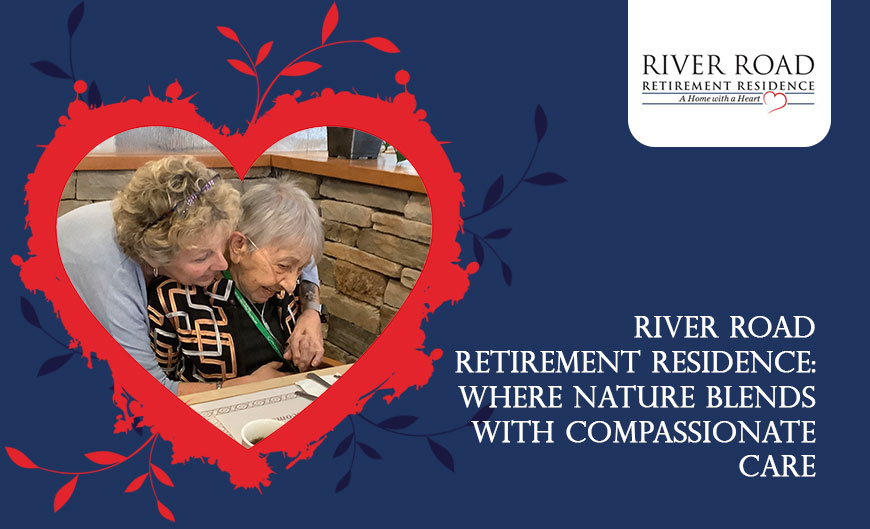
At the heart of Niagara’s community sits River Road Retirement Residence, a home that understands, in a very real and practical way, what it means to live freely and independently. River Road offers its residents something that cannot be manufactured. It is the genuine, daily care – all within one of Ontario’s most beautiful natural environments.
At River Road, nature is part of the everyday environment, helping senior residents feel safe and comfortable. They can enjoy scenic views, fresh air, seasonal changes, and peaceful outdoor spaces without feeling disconnected from community life. Along with trained and caring staff, thoughtfully prepared meals, meaningful activities, and regular social interaction, River Road Retirement Residence creates a supportive setting where seniors feel comfortable, respected, and engaged.
Choosing an assisted living facility near Niagara Falls is not only a care decision but a lifestyle decision that affects comfort, confidence, and emotional well-being. Pet visits, plants, and access to nature can help seniors feel more connected to themselves, their memories, their community, and the world around them. At River Road Retirement Residence, these thoughtful lifestyle details reflect a deeper commitment to senior happiness. By creating a warm, engaging, and caring environment, our senior living care facility is transforming the lives of residents and helping them experience each day with more comfort, dignity, and joy.