

Ontario Retirement Homes: Practical Wellness Tips for Seniors Managing Chronic Health Conditions
Living with a chronic health condition is hard. For Ontario seniors, the weight of it multiplies with medications to track, specialist appointments to attend, and the emotional toll of managing it all. Families across the province reach a turning point where the current arrangement—however loving and well-meaning—begins to fall short of what their loved one needs.
For many families, finding the right retirement home in Ontario is the decision that marks a genuine turning point in a senior’s life—not a step backward, but a move toward something better. A more supported daily life. A community that genuinely cares. An environment designed with their needs front and center.
This blog walks through practical, grounded wellness strategies for seniors managing chronic health conditions in a retirement living context. It also covers nutrition, physical activity, mental health, medication management, routine, and the often-underappreciated value of social connection. Each section is grounded in the real, lived experience of aging with a chronic illness.
Understanding Chronic Conditions in the Context of Senior Living
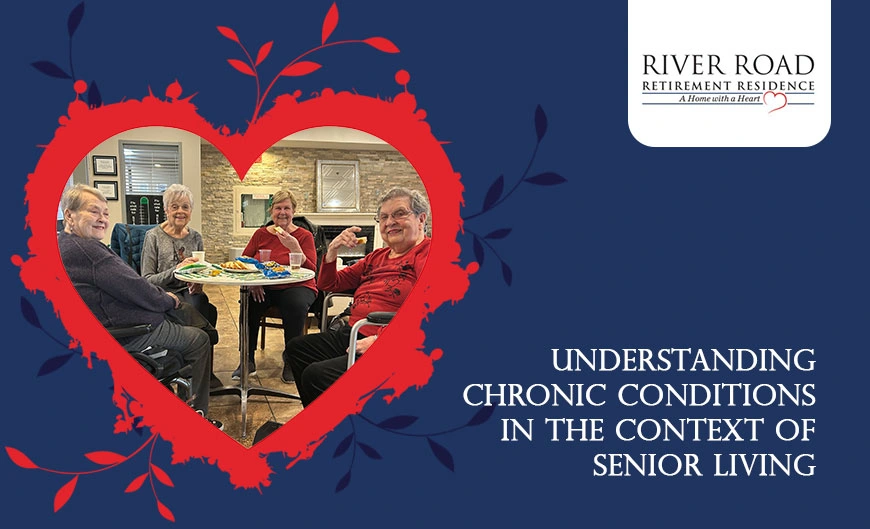
Chronic illnesses are not temporary setbacks. They are ongoing realities for seniors that shape every facet of daily life. Some of the most prevalent illnesses are heart disease, type 2 diabetes, osteoarthritis, COPD, and various forms of dementia. Each one brings its own daily demands that include dietary restrictions, mobility considerations, and complex medication schedules.
The environment in which a senior lives is not simply a backdrop to their health journey—it is an active participant in how well they manage daily life. A well-structured retirement home near Niagara Falls or any other part of Ontario provides something that individual home living often struggles to offer. This includes consistent professional oversight, a built-in social community, access to balanced daily nutrition, and a physical setting thoughtfully designed for safety and accessibility.
Nutrition: The Foundation That Too Many Seniors Overlook
Diet is one of the most essential factors in chronic disease management and one of the most frequently underestimated. For seniors living with hypertension, type 2 diabetes, or cardiovascular disease, the right nutritional approach can reduce symptoms, lower dependence on certain medications over time, and substantially improve day-to-day quality of life.
As people age, cooking healthy meals every day can become difficult. For instance, fatigue or mobility issues can occur, which may make standing at the stove uncomfortable. Also, for seniors dealing with the first stage of Alzheimer’s, changes in memory or losing focus may make grocery planning feel overwhelming.
As a result, many Ontario seniors living independently slowly begin relying on processed foods or skipping meals. Over time, poor nutrition can make existing health problems worse. This is where a quality retirement home in Ontario can make a real difference, as it removes the daily pressure of meal preparation while providing consistent, well-balanced meals that support senior health.
For seniors managing chronic conditions, nutritional priorities generally include:
- Higher protein intake to maintain muscle mass and physical resilience
- Reduced sodium levels to help manage blood pressure
- Increased calcium and vitamin D to support bone density
- Fibre-rich food choices for heart health and digestive function
- Controlled carbohydrate portions for those managing blood sugar levels
In addition to the food itself, the social aspect of sharing a meal with others has a major impact as well. Seniors who regularly dine in community settings with fellow residents tend to have a greater appetite and may be less likely to suffer from depression than those who eat alone.
Physical Activity: Gentle, Consistent, and Deeply Beneficial
Exercise can help older adults with chronic illnesses such as arthritis, shortness of breath or tiredness, as well as joint pain. Some examples include enjoyably doing things like walking outside for 30 minutes every day, using low-impact sports like chair exercises, Tai Chi or casual group exercise classes. This can provide benefits of improved strength, flexibility and increased safety through better self-esteem when done under appropriate supervision.
In a well-run retirement community, these activities are often part of daily life, making it easier for seniors in Ontario to stay consistent. Regular movement also helps reduce the risk of falling, which is especially important for older adults with osteoporosis, heart concerns, or mobility challenges. When exercise feels social, safe, and easy to join, seniors are more likely to take part and enjoy it.
Mental Health and Chronic Illness: The Connection That Deserves Honest Attention
This doesn’t get discussed enough, but chronic illness and mental health are inseparable. Depression affects nearly one in four seniors living with a significant chronic condition, yet it routinely goes undiagnosed, with its symptoms quietly attributed to “just getting older.” Anxiety follows a similar pattern, present but unnamed.
Chronic pain, reduced independence, medication side effects, and the stress of managing a health condition can slowly affect a senior’s emotional well-being. When isolation is added to this, daily life can feel even harder. As health issues make it difficult to go out, many seniors begin to lose regular social contact. Over time, loneliness can affect mood, motivation, sleep, and even the way a person manages medication or self-care.
The social environment of a retirement community is crucial. Group activities, communal areas, excursions, and friendly personnel contribute to allowing seniors to maintain connections with each other rather than feel isolated. When families think about the cost of retirement homes in Ontario, they must also factor in the value provided by social, emotional support, companionship, and daily participation. Mental health plays a significant role in healthy aging and is not merely an added perk of living within a retirement community.
Medication Management: An Area Where Consistency Changes Everything
Polypharmacy—the concurrent use of multiple medications—is the norm for the vast majority of seniors managing chronic conditions. They may have five, seven, sometimes ten or more medications, each with its own timing, food restrictions, and interaction warnings. The cognitive and logistical load this places on a senior—and on family caregivers—is genuinely substantial.
A professional retirement home situated in Ontario takes this responsibility seriously. Trained care attendants and nursing staff manage medication schedules carefully, flag concerns to healthcare providers, monitor for side effects, and maintain the kind of reliable daily oversight that family caregivers—however devoted—often cannot sustain around the clock while also managing their own professional and personal lives.
For families comparing different retirement homes near Niagara Falls, Ontario, for instance, asking specific, detailed questions about medication management protocols during any facility visit is strongly recommended.
Regardless of where a senior is staying, the following practices are worth establishing for their well-being:
- Keeping a current, complete medication list easily accessible for all medical appointments
- Scheduling formal medication reviews with the family physician at least twice annually
- Consulting a pharmacist whenever any new medication is added to the regimen
- Never discontinuing a prescribed medication without explicit medical guidance
Medication management is rarely the most visible or celebrated aspect of a senior’s wellness plan. But getting it right, consistently, every single day, is one of the most powerful things a care team and family can do for positive long-term health outcomes.
Social Connection: A Health Outcome, Not a Bonus
The research on social isolation among older adults is unambiguous. Chronic loneliness has been linked in multiple studies to health outcomes comparable in severity to smoking fifteen cigarettes daily. For seniors already managing chronic illness, the stakes of social disconnection are even higher.
A well-designed retirement home in Ontario is designed purposefully to create social interaction. This is done through
- Organized group outings and activities.
- Creating a comfortable, common space where residents can meet.
- A variety of hobby clubs and cultural programs.
- A staff culture that values warm and friendly interactions as much as technical skills.
When all these components are present in the retirement home environment, it is not uncommon for seniors to develop an appreciation for community living.
There is also something uniquely valuable about being surrounded by peers who truly understand what it means to manage health challenges at this stage of life. The informal support that develops organically among residents — the shared experience, the mutual recognition — has documented psychological and physiological benefits that no formal wellness programme can fully replicate.
How River Road Retirement Residence Supports Senior Wellness
At River Road Retirement Residence, many wellness practices are integrated into residents’ daily lives. The staff encourages the resident to be active through fun programs, gentle movement activities, social events, and meaningful routine activities. They also foster a positive sense of community among older adults, enabling them to develop friendships, participate in activities together, and receive support in managing chronic health conditions.
In addition to being an excellent accommodation option, River Road Retirement Residence provides a loving, caring environment for seniors, promoting physical health, emotional comfort and social connectedness.
Managing a chronic health condition later in life is not a story that ends with limitation. With the right environment, thoughtful daily rhythms, consistently good nutrition, genuine social belonging, and compassionate professional care, seniors can live with real dignity, warmth, and purpose. For Ontario families making this important transition, choosing the right retirement home is one of the most meaningful decisions they will make, and it deserves to be made with both care and confidence.