
Niagara Nursing Home: When to Consider It for a Loved One
Making the decision to transition a loved one to a nursing home is one of the most challenging choices families face. In the Niagara Region, with its growing elderly population, many families find themselves navigating this difficult journey. Niagara nursing homes offer specialized care for seniors who can no longer safely live independently. They provide not just medical support but also a community environment designed for their residents’ unique needs.
This comprehensive guide will help you understand when it might be time to consider a Niagara nursing home for your loved one, what options are available throughout the Niagara Region, and how to make this transition as smooth as possible.
Signs It May Be Time to Consider an Elderly Care Home in Niagara Falls

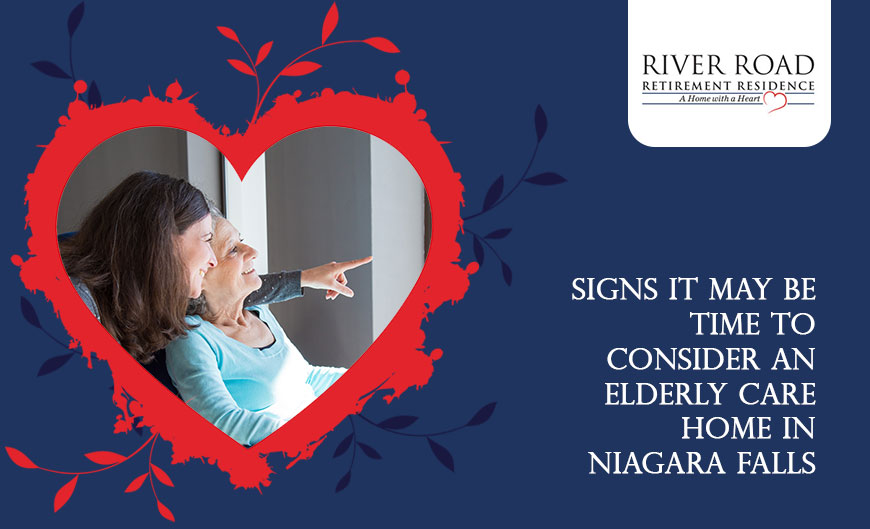
Recognizing when a loved one needs more care than can be provided at home is crucial. Here are key indicators that suggest it might be time to consider a Niagara nursing home:
1. Declining Physical Health
Mobility issues often signal the need for nursing home care. Your loved one may fall frequently or struggle to move safely around their home. Chronic health conditions may require consistent monitoring that isn’t possible at home.
Watch for medication management challenges such as missed doses or confusion about prescriptions. Decline in personal hygiene is another red flag. When seniors can’t bathe, dress, or maintain their cleanliness, they need additional support.
2. Cognitive Changes
Memory problems beyond normal aging deserve attention. Examples include forgetting to turn off appliances or pay bills. Confusion or disorientation might appear when they get lost in familiar places.
Decision-making difficulties could manifest as poor judgment about finances or personal safety. A diagnosis of dementia or Alzheimer’s often requires specialized care. Niagara nursing homes offer memory care units designed for these specific needs.
3. Caregiver Stress
Family caregivers may experience burnout with physical and emotional exhaustion. This is a valid reason to consider a nursing home in Niagara. Many families have insufficient resources to provide care.
Work commitments or geographic distance can make consistent caregiving impossible. Some seniors develop specialized care needs beyond what family members can safely provide. Professional care becomes necessary in these situations.
4. Social Indicators
Isolation poses serious risks for elderly individuals. Limited social interaction often leads to depression or cognitive decline. Safety concerns increase when seniors live alone. They become more vulnerable to accidents or emergencies without supervision.
Nutritional issues frequently develop in seniors living independently. Watch for weight loss or poor eating habits due to an inability to shop or cook properly. Niagara senior living communities effectively address these social needs.
Types of Elderly Care Options in Niagara Falls
The Niagara Region offers various levels of senior care to match different needs:
- Independent Living Communities
While not nursing homes, these communities offer minimal assistance while promoting independence—a potential stepping stone before nursing home care becomes necessary.
- Assisted Living Facilities
These provide help with daily activities while still allowing residents some independence, often a middle ground between independent living and nursing homes.
- Niagara Nursing Homes (Long-Term Care Homes)
These facilities provide 24-hour supervised care, meals, activities, and health management. In Ontario, these are regulated by the Ministry of Long-Term Care and provide the highest level of care outside a hospital setting.
- Specialized Memory Care Units
Many Niagara senior living and care homes include specialized wings for residents with dementia or Alzheimer’s, offering environments designed to reduce confusion and enhance safety.
Benefits of Niagara Nursing Homes
Choosing a nursing home in the Niagara region offers several advantages:
Professional Healthcare Access
- 24/7 availability of nursing staff
- Medication management and administration
- Coordination with physicians and specialists
- Regular health assessments
Enhanced Safety Features
- Emergency response systems
- Fall prevention infrastructure
- Secure environments; particularly important for those with cognitive impairments
- Proper accessibility features throughout facilities
Social Engagement
- Scheduled activities and events
- Community dining experiences
- Peer interaction opportunities
- Reduced isolation and loneliness
Specialized Programs
- Physical therapy and rehabilitation services
- Memory care programs
- Mental health support
- Nutritional guidance and prepared meals
Choosing the Right Niagara Nursing Home
When evaluating Niagara senior living and care homes, consider these essential factors:
Location Considerations
- Proximity to family members for regular visits
- Access to preferred hospitals or medical specialists
- Familiarity with the neighbourhood for the senior
- Transportation options for the family without vehicles
Quality Indicators
- Ministry inspection reports and ratings
- Staff-to-resident ratios
- Staff qualifications and turnover rates
- Cleanliness and maintenance of standards
Care Specializations
- Experience with specific medical conditions
- Availability of memory care programs
- Pain management approaches
- End-of-life care philosophy
Community Atmosphere
- Visit during different times of day to observe resident engagement.
- Talk with current residents and their families.
- Observe staff interactions with residents.
- Review activity calendars and meal options.
Navigating the Financial Aspects
Understanding the financial considerations of nursing homes in the Niagara Region is essential:
Ontario’s Long-Term Care System
- Government subsidies based on income assessment
- Basic accommodation vs. preferred accommodation costs
- Wait list management through Home and Community Care Support Services
- Required documentation for financial assistance
Additional Costs
- Extra services beyond basic care
- Personal items and comfort supplies
- Medication and treatment costs not covered by OHIP or private insurance
- Social activities or outings with additional fees
Making the Transition Smoother
Once you’ve selected an appropriate Niagara nursing home, these strategies can ease the transition:
Before the Move
- Visit the facility multiple times with your loved one.
- Meet with staff to discuss routines and preferences.
- Begin downsizing possessions gradually.
- Create a familiar environment by bringing personal items.
During the Transition
- Establish a consistent visitation schedule.
- Introduce your loved one to staff and residents gradually.
- Participate in initial care planning meetings.
- Be patient with adjustment difficulties.
Ongoing Support
- Maintain regular communication with care staff.
- Participate in family council meetings when available.
- Advocate for your loved one’s changing needs.
- Celebrate holidays and special occasions at the facility.
Deciding on a Niagara nursing home for a loved one represents a significant life transition for everyone involved. By recognizing the signs that additional care is needed, understanding the options available throughout the Niagara Region, and carefully evaluating potential facilities, families can make informed decisions that prioritize safety, health, and quality of life. Remember that Niagara’s elderly care homes offer not just medical support but also communities where seniors can maintain their dignity, find new social connections, and receive appropriate care as their needs change. The goal is to ensure your loved one experiences their senior years with the highest possible quality of life and the specialized care they deserve.